Featured
Table of Contents
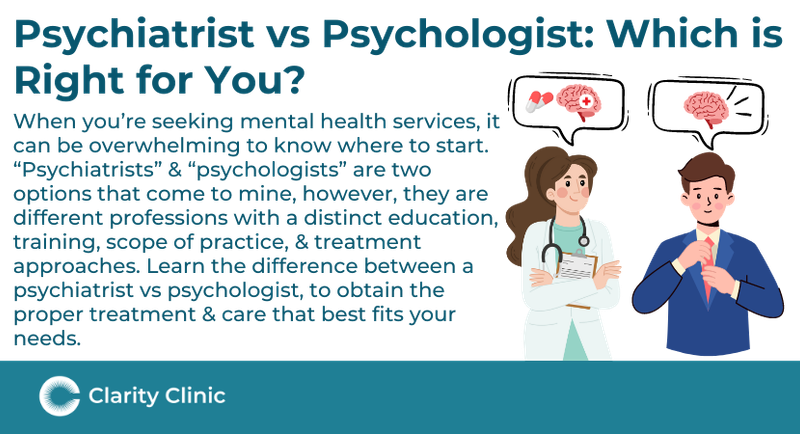
To start with, their academic backgrounds stand out. Psychiatrists are clinical physicians that have finished clinical school and a residency in psychiatry. They are licensed to prescribe medicine, conduct checkups, and order or interpret lab tests. This allows them to consider both the physical and mental elements of a client's health and wellness.
states) and tend to treat psychological health and wellness problems through various kinds of therapy, such as cognitive-behavioral therapy or interpersonal therapy. Lastly, their expertises can vary. While both fields offer a variety of specializeds, psychoanalysts usually concentrate on particular psychiatric conditions or populaces (like youngster, teenage, or senior citizen psychiatry). Psychologists commonly focus on locations like scientific psychology, counseling psychology, or organizational psychology.
On the various other hand, if you're experiencing psychological distress, handling life stress factors, or battling with anxiety or mild to moderate clinical depression, a psycho therapist may be the right selection. Psychologists concentrate on giving psychiatric therapy and use numerous therapeutic methods to aid patients understand their sensations, thoughts, and behaviors. The ideal location to begin is with a practitioner you really feel comfortable speaking with.
Bear in mind, it's not an either-or scenario. Many individuals profit from a combination of both medication and psychotherapy. Therefore, psycho therapists and psychoanalysts commonly work with each other to provide comprehensive treatment. Navigating psychological health and wellness concerns can be tough, yet keep in mind that assistance is available. At My Psychiatrist, we have a group of knowledgeable psychiatrists and mental wellness service providers committed to offering top quality mental wellness treatment.
Support in Trauma therapy
Psychologists and psychoanalysts play crucial duties in psychological healthcare, but their training, strategies and therapy techniques differ. Whether you're discovering the subtleties between these professions for personal interest or occupation goals, understanding the differences is vital. Keep reading as we explore the specifics of psychology and psychiatry and discover which path might align ideal with your aspirations and professional objectives.
The term essentially suggests "clinical therapy of the heart," reflecting the advancing method to understanding and dealing with mental disorder. While both psychologists and psychoanalysts play vital functions in psychological wellness treatment, their training, approaches and methods of therapy often differ considerably. Below, we'll concentrate on the differences in between these two occupations, assisting to clarify their distinct features and the settings in which they run.
Both are rooted in a deep understanding of the human mind yet deviate in emphasis and approach. Psychologists usually begin their scholastic journey with an undergraduate level in psychology or a very closely related self-control. This foundation is built upon through a master's level, which concentrates on innovative theories and useful applications of mental practices.
This innovative degree needs four to six years of committed research study, consisting of extensive study, professional teaching fellowships and a thorough assessment process. After finishing a bachelor's degree, which often consists of pre-medical or scientific coursework, aspiring psychoanalysts go into medical institution.
Relationship Development Across Different Contexts
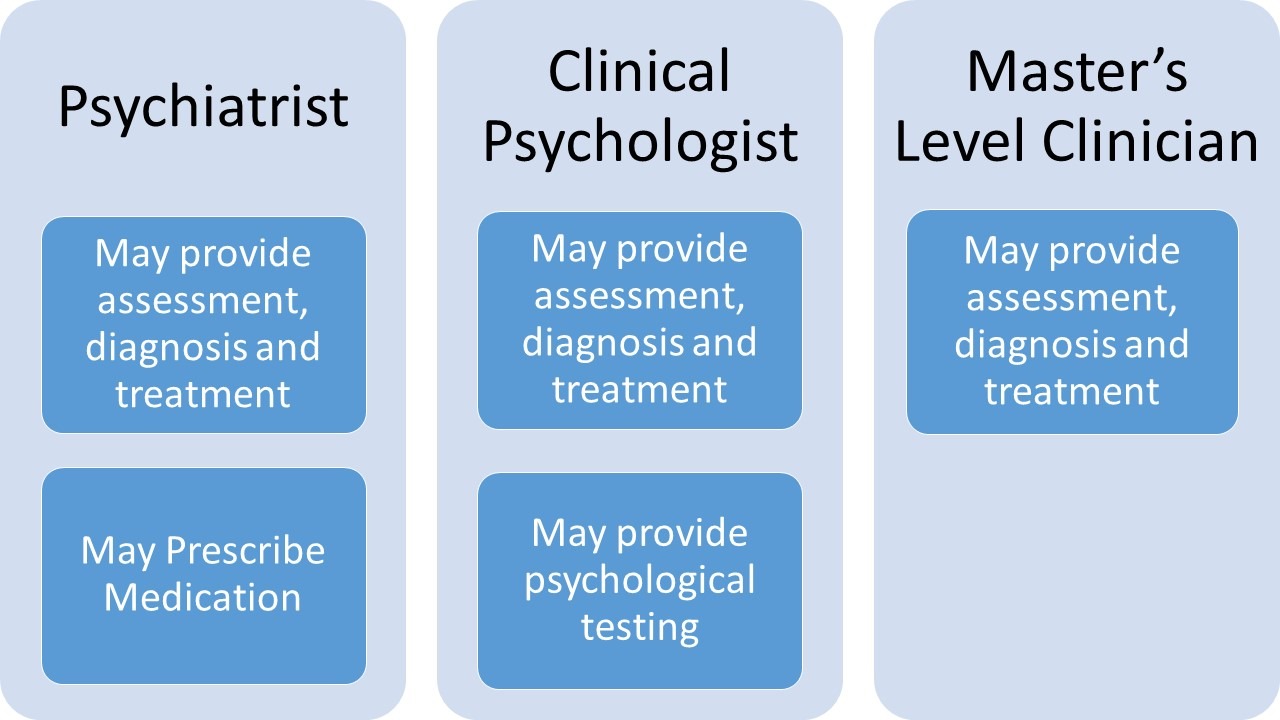
Both are trained to assess emotional problems, establish therapy strategies and give therapy. They usually team up, referring clients to each other to ensure they attend to all elements of a person's health and wellness demands. Psychologists mainly concentrate on reviewing and dealing with mental and emotional disorders with non-medical ways, whereas, as medical doctors, psychoanalysts have the authority to do a more comprehensive variety of medical treatments and prescribe medicine.
Determining in between these 2 profession paths primarily depends upon your passions and exactly how you visualize your future collaborate with patients. If you are attracted to healing methods and assisting clients via counseling and emotional analysis without the use of drug, psychology may be your path. On the various other hand, if you have a strong passion in medicine and just how it intersects with psychological wellness, including the capability to suggest medicines and deal with complex psychiatric problems, psychiatry can be a better fit.
So, take an action toward making a significant differencebecause at UND, we don't just research mental health, we aid enhance it. Open All Sections Specialists typically drop under the category of psycho therapists as they describe specialists that supply psychotherapy and counseling. Yes, psycho therapists can detect some mental disorders and supply treatment via different kinds of treatment.
Considering ADHD-Specialized Care
A psychologist has an innovative degree in the Science of Human Behavior. Many psycho therapists have specialist training and clinical skills to evaluate and treat your mental health and wellness utilizing psychotherapy (talk treatment), mental assessments and screening. Psycho therapists assist individuals learn to deal much more efficiently with life and connection concerns and mental health problems.
Scientific psychologists can work in many settings, including: Schools. While there's a great deal of overlap between the professions of a counseling psycho therapist and scientific psychologist, the essential distinction is that a medical psychologist concentrates extra on psychopathology (the study of psychological wellness conditions); whereas a counseling psycho therapist aids individuals attend to emotional, social and physical stressors in their lives.
Some specialists think there shouldn't be two distinct terms for these psychological health and wellness professionals. In spite of words "scientific," a professional psycho therapist isn't a clinical doctor. They normally can not purchase clinical examinations, like blood or imaging tests, and they usually can not prescribe drug. While practicing scientific psycho therapists have a postgraduate degree either a Doctor of Ideology (PhD) level in an area of psychology or a Doctor of Psychology (PsyD) degree they do not have a medical doctoral level (MD or DO).
Establishing Self-Advocacy for Autistic Adults
They can prescribe medicines and other clinical therapies. A psycho therapist has a postgraduate degree (PhD or PsyD) and often has substantial training in study or professional method. Psycho therapists deal with mental health problems with psychotherapy (talk treatment). A psychologist generally can't recommend medication. Psychoanalysts typically deal with a lot more complex mental health and wellness problems than psycho therapists, particularly ones that call for medication or clinical therapies.

Latest Posts
Perfectionistic Tendencies and Its Role
Individual Counseling for Diverse Communities
Chronic Pain Addressed Through Individual Therapy