Featured
Table of Contents
Throughout extended exposure (PE) a person is progressively exposed to their trauma-related memories, worries, emotions, and feelings regarding the event(s) to learn that these are no much longer unsafe or need to be stayed clear of. Individuals typically consult with a specialist when a week for 3 to four months. PE is strongly advised by the American Psychological Organization as a first-line treatment for PTSD.
CPT is taken into consideration a first-line intervention for PTSD and is highly suggested by the APA. Cognitive behavioral therapy (CBT) focuses on thoughts, sensations, and actions, and the relationship in between them. A trauma-focused specialist might aid a customer comprehend exactly how they are thinking of their injury and just how to change it into more useful thinking.
This therapy is strongly advised by the APA for the therapy of PTSD. Trauma-focused cognitive behavioral therapy (TF-CBT) resolves the psychological wellness requirements of adults dealing with the devastating impacts of very early trauma. The therapy is particularly delicate to the distinct problems of young people with post-traumatic anxiety and mood problems resulting from sex-related abuse, in addition to from physical misuse, violence, or pain.
Eye movement desensitization and reprocessing (EMDR) was established as a therapy for PTSD. It entails processing the memory and the way it is stored in the mind, which reduces troublesome triggers and symptoms. During this treatment, different approaches of bilateral simulations can be utilized to focus on memories of the injury.
Choosing the Right Neurodivergence-Affirming Clinician
Composed exposure therapy (WET) is a brief, evidence-based behavior psychiatric therapy in which individuals are gradually subjected. While in standard direct exposure treatment, the person is revealed to the fear item or experience, in written direct exposure treatment, the individual will writer concerning the trauma memory. In a series of five quick (50 to 60-minute) sessions, the individual will create in detail concerning the ideas and emotions they had at the time of the occasion.
These can be especially helpful when you're concentrated on recovery from trauma while in a connection, as they aid you manage feelings and develop much safer links. Here are some complementary and alternative treatments that might additionally be helpful for individuals with injury: approaches integrate cognitive treatments with somatic methods that affect the human bio-energy systems such as meridians, chakras and the biofield to elevate physical, mental, emotional and spiritual wellbeing.
Yes, unsettled trauma can create anxiousness and numerous other adverse effects on an individual's behavior, emotional, psychological, and physical wellness. To help take care of these impacts, many undergo injury therapy treatment. When the trauma stays unsettled, there will likely be frequent triggers that a person might react to wrongly. They may create an overstated psychological action because they are reminders of the unsolved trauma.
Unsolved injury in grownups may be the outcome of several events, including grief, automobile mishaps, physical abuse, sex-related misuse, and verbal abuse. In truth, those situations may not even be taking place to them. Often, also merely experiencing occasions happen to somebody else can be distressing. Unresolved injury and connections do not meshed well.
Complex Trauma Therapy That Affirms Neurodiverse Lived Experience
The factor professional trauma therapy treatment is typically crucial is that people may not even recognize they have unsolved injury. Numerous adults are usually surprised by the sources of their injury discovered in expert treatment. Whatever the reason, injury therapy treatment for unsolved injury can help you refine the tough experience and change the unfavorable thoughts and actions patterns that might be reinforcing your unfavorable sensations.
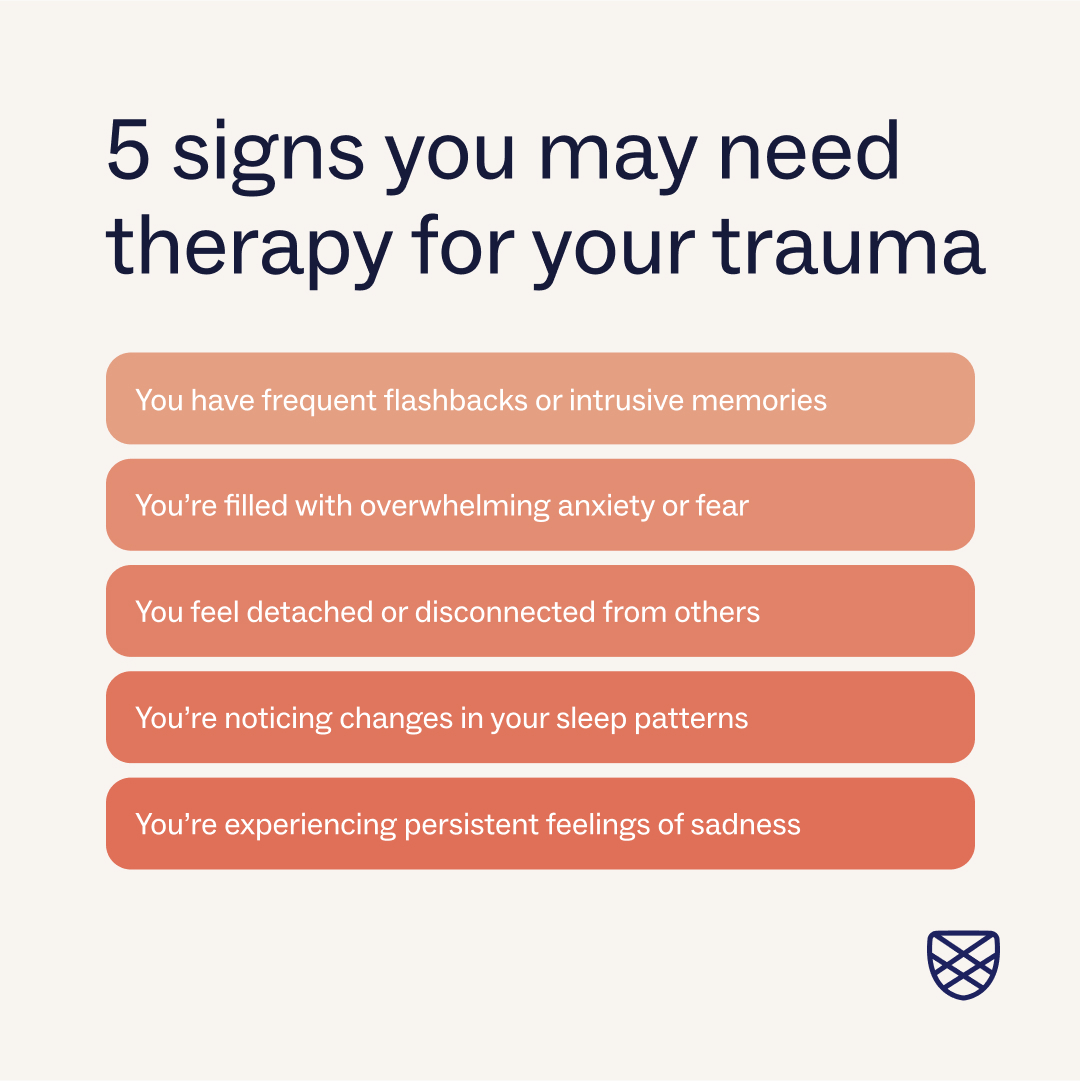
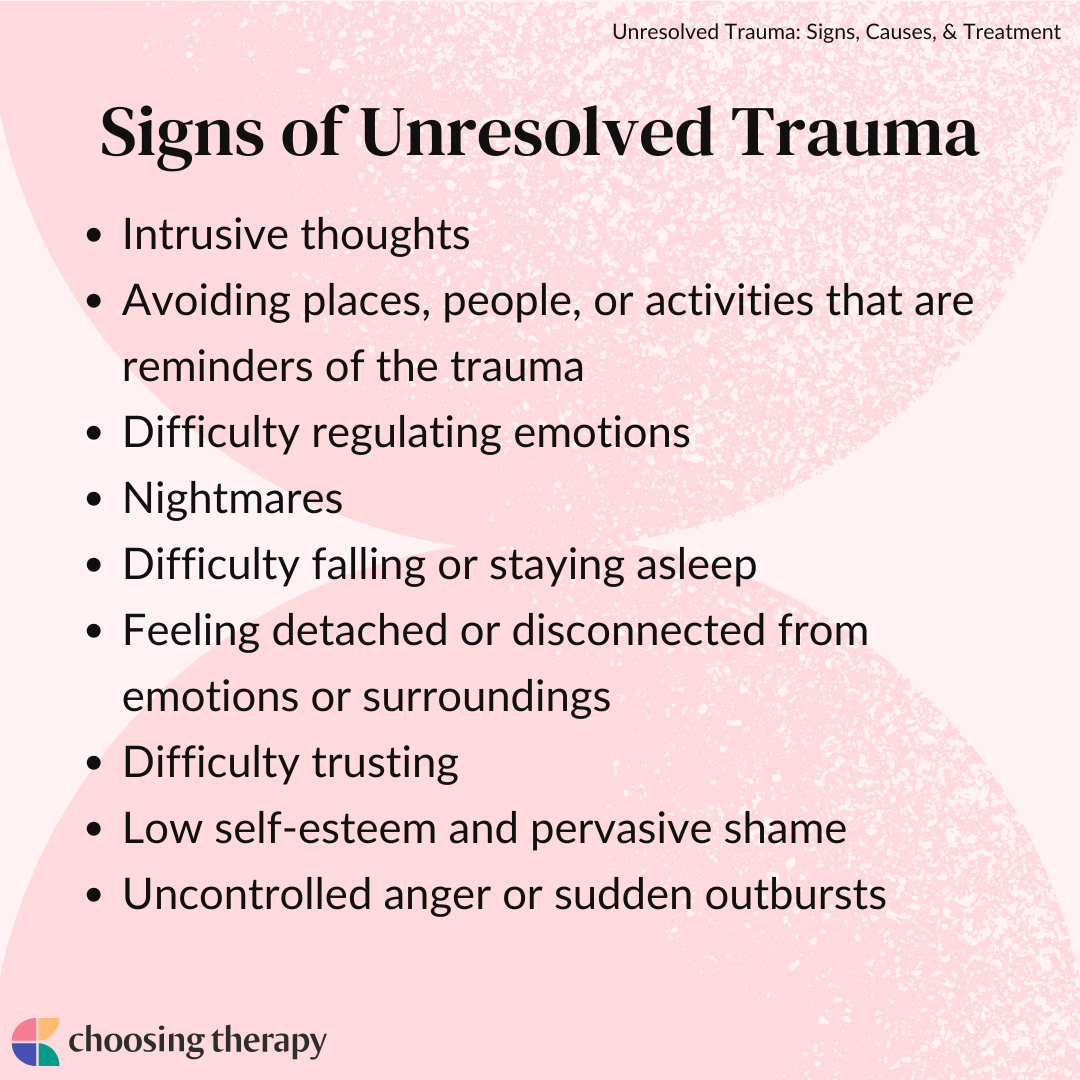
Several unresolved injury signs are invisible, and you might not recognize that a person is battling with it unless they directly confide in you concerning it. Nonetheless, you might enjoy out for some typical signs of dealing with the effects of unsettled injury. These signs include the following: Avoidance or worry of emotions, items, individuals, or locations that could be connected to a distressing experience Spells of stress and anxiety or panic attacks due to normal scenarios Adjustments in sleeping pattern Chronic or continuous depression Dissociation in scenarios and discussions Sensations of badness, pity, unimportance, or unimportance Feelings of detachment, seclusion, and isolation Flashbacks, headaches, and memories relating to the distressing experience Hypervigilance Self-harm and self-mutilation Suicidal ideas or attempts Substance abuse or eating problems in an effort to numb negative feelings Unmanageable anger If you or somebody you respect is experiencing any among these specifically if it's happening constantly and is conflicting with your day-to-day live it's time to look for specialist aid.
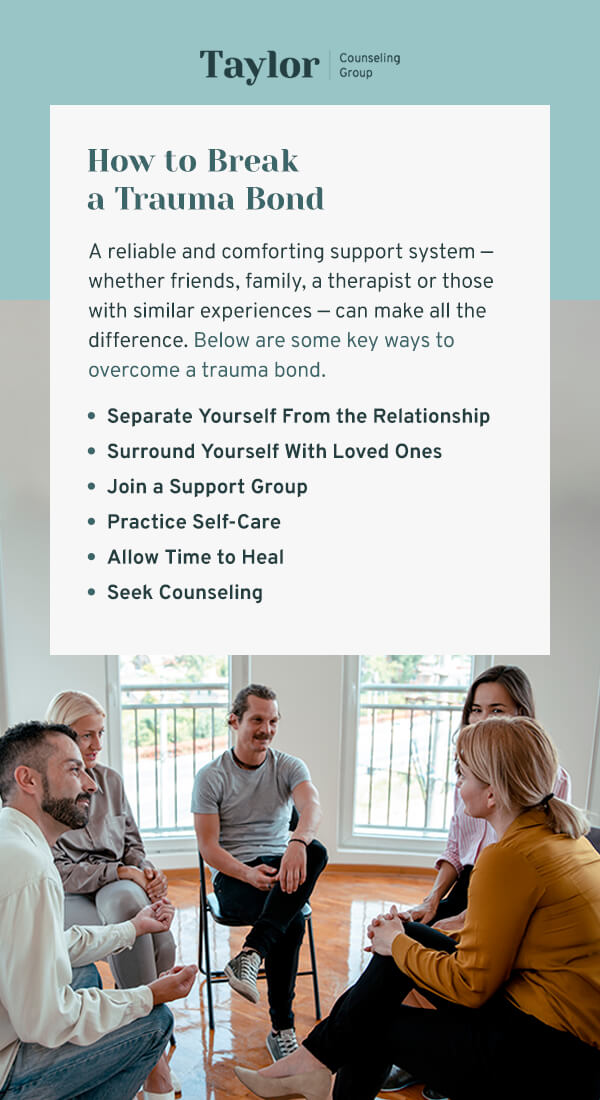
The majority of clients get confessed right into an injury therapy treatment program because they desire to manage unsolved trauma and boost partnerships. Their close relationships may have been harmed incidentally they have actually been taking care of their injury without expert aid. While they will certainly see a renovation in their relationships, this change may require time and not take place as soon as possible.
The Value of Comprehensive Psychological Testing
Occasionally, it turns up in subtle, peaceful ways that shape just how you assume, feel, and associate with the globe. When trauma is unresolved, it indicates the mind and body have not fully integrated or processed what occurred. You may not even bear in mind the event clearlyor think about it as "that negative"yet your nerve system still reacts as if the risk is continuous.
Unsettled trauma can push you outside this windowinto (stress and anxiety, anger, hypervigilance) or (tingling, closure, tiredness). The injury might remain in the past, however your body and mind may still be supporting for impact. You may think: "I recognize this person appreciates me, but I maintain waiting on them to leave."Or: "I'm safe currently, but I still really feel like I'm strolling on eggshells." Not everybody experiences trauma the same method.

Latest Posts
A Survivor's Course in Renewal with Family therapy
Identifying the Symptoms of Requiring Therapeutic Intervention
Attention Deficit Assessment and Comprehensive Understanding